
Insect Microinjection Core
Genetically Modified Insect Model Development
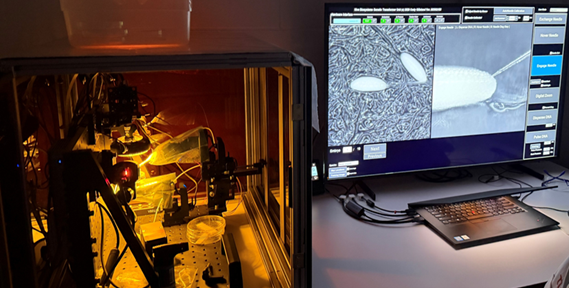
The Texas A&M Institute for Genomic Medicine (TIGM) Insect Microinjection Core (IMC) facilitates production of genetically modified insect models featuring a Computer Assisted MicroInjection (CAMI) robot to achieve controlled microinjection of insect embryos.
TIGM Insect Microinjection Core Services
- Embryo microinjection of genome-modifying reagents for the generation of overexpression, knock-in (KI), and knockout (KO) insect models


- Design services for gRNAs and donor DNA constructs for targeted genomic insertions
- In vitro and in vivo evaluation of gRNA activity in embryos
- Transgene visual reporter screening and biopsy genotyping
- Project consultation (open to exploring species expansion)
Benefits of Computer Assisted MicroInjection (CAMI)
- Precision: Enhanced targeting accuracy
- Reproducibility: Consistent results across trials
- Viability: Higher survival rates
- Chorion Penetration: Access to hard embryos
- Digital Mapping: Reduced handling stress
Accelerate your research with the IMC
Generate gene-edited and transgenic insect models for your investigator-initiated research projects. Investigate gene function and evaluate the genetic basis of insect interactions with hosts, vectors, environmental factors, feedstocks, and crop resistance or integrated pest management (IPM) strategies using genetically modified insect models.
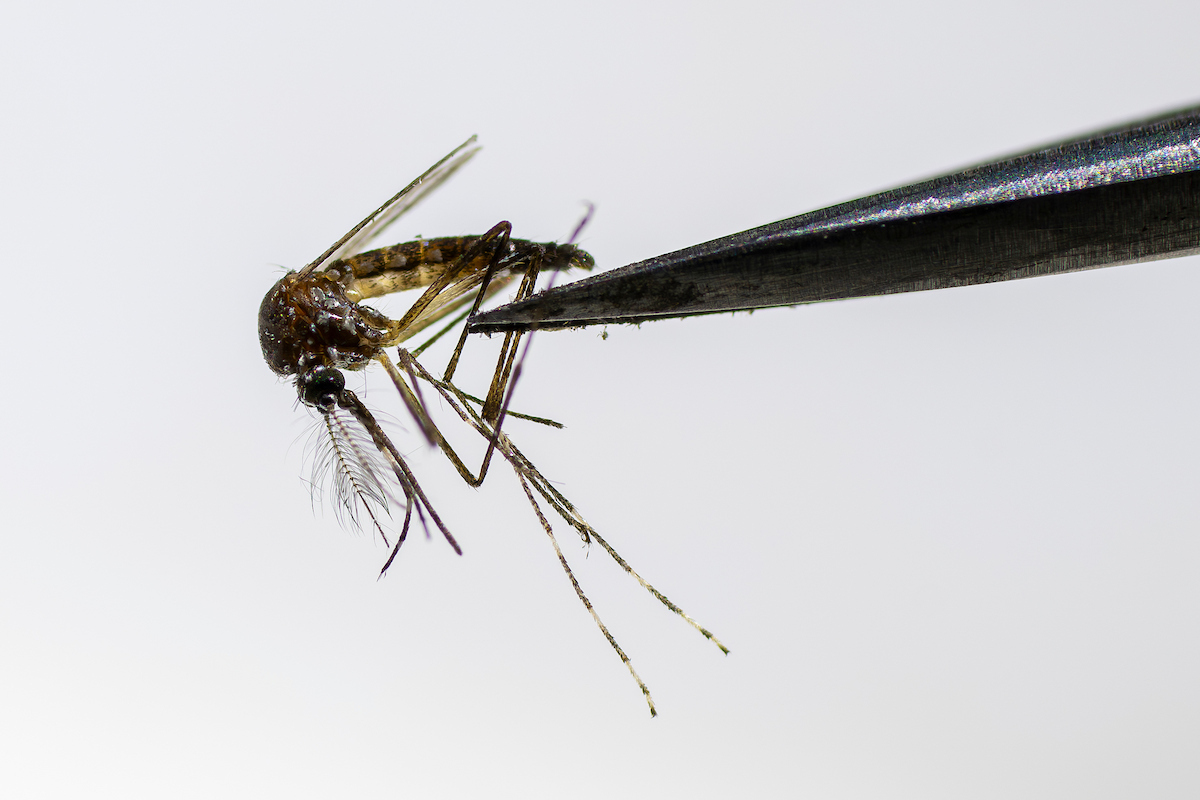
The IMC is an Arthropod Containment Level 2+ (ACL2+) and BSL1 facility, currently approved for the generation of transgenic Drosophila melanogaster and Aedes aegypti models.
Exploration of new species
The IMC welcomes inquiries regarding the development of protocols for additional insect species. Please contact us to discuss your species of interest. For new projects, the IMC can assist with regulatory and compliance review and provide CAMI robot training for self-service facility use ($75/hour, FY2026 introductory rate).
The IMC can also provide assistance with genetic model design and welcomes opportunities for broader scientific collaboration.
For more information, project inquiries, and facility tours, please contact imc.tigm@tigm.org.